 Family of Sites
A semester or year stay abroad requires considerable planning. You will need to consider the season and location as well as what you need to bring and what you should find abroad. If you will be spending winter months in most SRAS locations, luggage can quite easily become unwieldy, which can mean airline charges for overweight bags. By making your packing list of study abroad, you can plan what you need in advance and hopefully avoid this (and help you avoid forgetting something important).
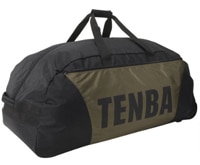
Invest in good, expandable luggage. If you plan to pack heavy, you might want a rolling utility duffel. Consider as well bringing an extra, collapsible duffel bag in your luggage. These are useful for bringing back souvenirs, books, and other purchases.
Weight Restrictions
Airlines have been scaling back baggage allowances. You should check with your airline for their specifics – but generally you should expect to be allowed one bag not exceeding 50 kg for checked luggage and one carry on of a standard size. This should be obvious, but do not pack your laptop or expensive camera in your checked luggage!
Buy your tickets together – preferably from the same airline. If the tickets are separate, you may be considered a domestic traveler once you change planes, which can have different weight restrictions. You’ll also need to collect your bags, exit through customs, and recheck your bags if you’ve purchased legs separately. This opens all kinds of problems with timing your flight and making sure that you have the proper documentation to exit into whatever foreign country you’ve landed in to change planes.
Trains have a theoretical limit of 35 kg, but it is more a question of whether it fits in the compartment. Second class trains will have four people to a small compartment, often each with considerable luggage.
We do not recommend shipping yourself things. Between customs, import charges, trying to figure out delivery to the dorm… it’s not worth it. If you really need to bring that much stuff, contact us to discuss your options.
Essentials
Although you will be able to find nearly everything you need abroad, you should bring a small supply of essentials to make sure that you have what you need from your very first day – without having to hunt for it. This includes small bottles of soap, shampoo, and conditioner in addition to any toiletries you usually pack. Bringing your own bath towel is also advisable as dormitory-issue bath towels tend to be small and thin.
Daily needs items (toothbrush, toothpaste, etc.), should go in your carry on because bags can be delayed or lost. Make sure that everything is in “travel size” containers (100ml or less) to avoid confiscation by airport security.
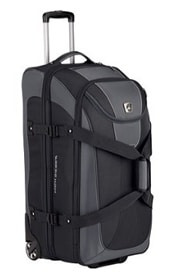
(for lighter packers – large volume; highly mobile)
Over the Counter Medicine. Stomachaches and headaches are common with jet lag and in acclimating to a new climate and diet. We recommend you bring a supply of your preferred medication for these ailments. Multi-vitamins can also help overcoming jet lag and are helpful in getting through long, wet, dark winters.
Your Eye Prescription (if needed). Disposable contact lenses can be widely purchased and new glasses, if needed, can generally be cut without a doctor’s visit so long as you know your prescription.
Tablet and Pen. These can, of course, be purchased in all SRAS destinations. However, you should have them with you just to make sure you are ready for the first day of class.
Prescription Medications
Some countries DO NOT allow certain medications to enter their borders or may require that you obtain a medical provider note, prescription or other documentation. If you are in possession of illegal medications per local country laws (even if you obtained them legally in the US) and do not have the proper documentation, your medications may be confiscated and/or you could be detained. Please note that injectables and medications used to treat anxiety, depression, chronic pain, or ADHD often contain highly regulated substances such as psychotropics or narcotics and may have special requirements.
It is your responsibility to find out the requirements for bringing your medication to your study abroad location.
Here are some steps and tips to follow for safely and legally bringing your medications abroad:
- Contact your doctor/pharmacist/regular insurance provider about getting an “extended travel exception (override)” and longer-term supply of your medications. If necessary, we can provide an official letter stating your time abroad.
- Ask your international emergency medical insurance provider to help you understand the regulations/requirements for your medication in your study abroad location. For most SRAS students, this will the insurance provided by SRAS. You will receive your insurance card from SRAS 1.5-2 months prior to your program. If your home university requires you to carry their international insurance (usually the case with faculty-led groups), contact that provider. Follow the guidance provided and also:
- Get an official document from your doctor stating your name, diagnosis and your treatment plan which includes a clear statement of the prescription and amount prescribed for the period you plan to be in the country. This should be on official letterhead from your doctor/clinic. Note: this does not necessarily meet all international requirements for all medications.
- Always bring your medications in original packaging and enough to last the entire duration of your stay. You should not assume that you will be able to get your prescription refilled in your study abroad location and you cannot send prescription medications through the post.
- Bring your medications in your carry-on so that you have them with you on arrival. You do not need to automatically show and declare your medication/prescriptions on arrival. If you are stopped at customs, be prepared to produce your documentation and follow instructions of the customs officers.
- Keep all documentation with you throughout your stay and when you depart the country. The amount of medication remaining should reflect usage as outlined in the prescription. Selling or sharing your prescription medication is strictly prohibited.
- Please note that under no circumstances is it allowed to bring medical or recreational marijuana or derivatives to the countries of our study locations.
Clothing
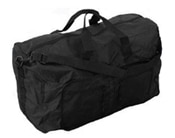
(take with you for
bringing stuff home)
Clothing will depend on the season. SRAS locations are walking cities – plan on spending more time outside than usual. Also, those staying in dorms should bring shower shoes/sandals. Buying clothing you need abroad is not recommended – it generally costs the same or more and you don’t want to be without it if you need it when you arrive.
Students in most SRAS locations will find that other students tend to be more dressed up for school than Americans are typically used to. While you needn’t bring business wear for your classes, do keep in mind that showing up to class in shorts and flipflops or pajamas is not a thing in our locations. Most locations are quite conservative as well, meaning that showing alot of skin – for men or women – is generally frowned upon.
- Winter in most SRAS locations ranges from Boston-like damp cold to northern Minnesota-like deep-freeze cold. Bring layers of clothing: a few shirts (short and long sleeves), sweaters and sweatshirts, as well as long underwear and thermal socks. Yes, you need it all. Your coat should have a hood and extend past your waist. Bring boots – insulated, waterproof, and with good traction. Bring gloves, a winter hat, and a scarf. SRAS activities will occasionally take you into nature – so waterproof snow pants are also a good idea.
- Spring and Fall tend to be cool to cold and damp to wet. Bring winter gear (see above) – you may not use it as much, but you will still need it to be comfortable. Bring rain gear – a poncho or umbrella.
- Summer can be cool or hot – and often wet. You will still want a sweatshirt or two, shirts with long and short sleeves, a jacket, and rain gear. You should bring at least one outfit that will cover your shoulders and legs and be comfortable in warm weather – SRAS activities will take you to religious institutions to learn about local cultures. Swim suits are also a good idea – you’ll probably find use for them.
Electronics & Appliances
Most appliances (e.g., hair dryers, razors, curling irons) will need a voltage converter. The plugs are different, as is the amperage. Check with the manufacturer (often their websites will have travel information) to make sure that your device can work with a converter. If not, it’s a fire hazard and can destroy your appliance.
Most modern computers, cameras, and smart phones have built-in, automatic converters. If the power block (the little black box that plugs into the wall) indicates it can handle an input of 100-240V, or if the equipment or power block is stamped with the symbol “CCC,” then it will work anywhere SRAS offers programs so long as you have a plug adapter (the link provided here is for an adapter with a ground and surge protection – both are highly recommended and make this adapter a great value).
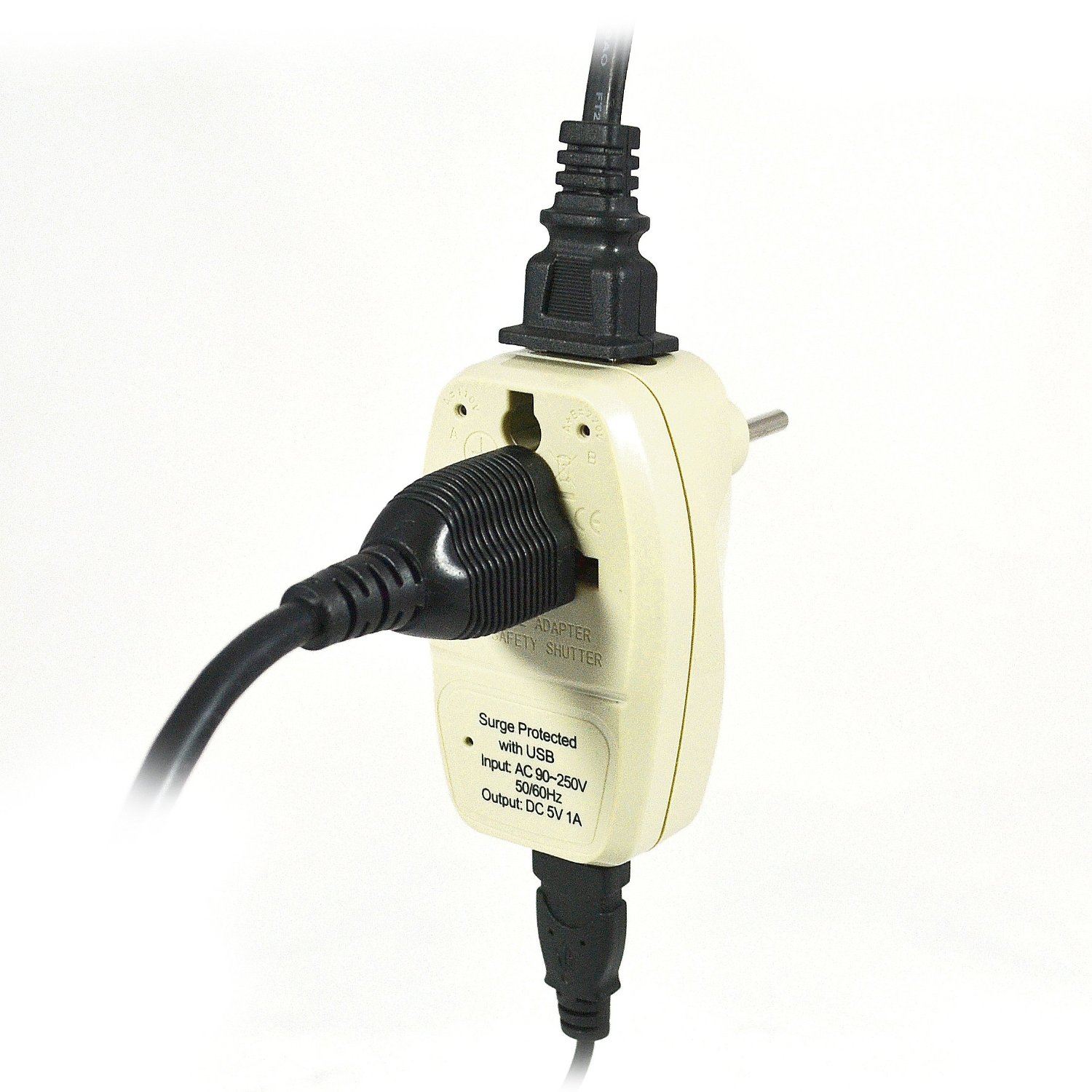
(we recommend the option with ground and surge protection for most electronics)
If your electronic device does not indicate the above, you will likely need a full voltage converter (when choosing one, make sure it is 110v to 220v – made for American appliances for use in Europe). However, you should check and double check the device’s requirements. Plugging an unequipped device into a foreign power source will damage it, often irreparably. Likewise, plugging a device that is equipped with a voltage converter into another voltage converter creates a fire hazard and can damage your device. If you have any doubt, contact the device manufacturer and ask what you should do.
Smart phones work abroad if one of two conditions are met. 1) If the SIM can be replaced (or an e-sim added) and the phone settings are “unlocked,” then you can get a local SIM for use abroad. You may want to stop by a cell phone store and make sure your model is “unlocked” for international travel. For purchasing a local SIM, see our Guide to Budgets and Logistics Abroad and chose your city. The other option is 2) You have international roaming activated. Many carriers, such as T-Mobile and Verizon now offer fairly equitable roaming plans that can help you stay in contact with loved ones back home. Students with international plans will still need to carry local numbers in addition to any others as per our safety protocols.
Safety: Most of our employees carry laptops and smart phones around SRAS host cities regularly; it’s common, and as safe as in any other city, but you should take precautions. Always pack electronics in your carry-on to avoid theft and damage in transit. Store your equipment at the dorm or homestay in a concealed location. Turn the equipment off before storing it so it doesn’t overheat. Students may contact us about adding optional property insurance to the standard health and travel insurance included with most of our programs.
Your warranty may not be serviceable abroad. However, there are usually recommended repair services (some with manufacturer licensing) that you should be able to use. See our Guide to Budgets and Logistics Abroad and chose your city to see if some are listed there.
Buying electronics abroad is not recommended. You will have the same problems with amperage, warranties, etc. (see above), when you return home.
Gifts
All SRAS locations are home to gift-giving cultures. From birthdays to local holidays, gifts you bring will easily find homes. For those heading to homestays, small regional perishables (see below), can make great conversation starters. Beyond that, wait until you have an established relationship with someone before giving gifts. In choosing gifts, we recommend the following:
- Regional goods are highly recommended. For example, maple syrup from New England, wine from California, wild rice from Minnesota, exotic potato products from Idaho, photobooks from your area, postcards, regional art or jewelry from the SW… you get the idea.
- Keep the price low, or at least well hidden. You don’t want to put new friends in the position of feeling the need to reciprocate at a level that may be out of their budget.
- Do not bring something common or cheap – for the same reason you wouldn’t do this back home.
- Think of yourself as representing your home. Many abroad believe that the quality of goods made in America or Europe is far better. Don’t let them down.
- You can always get flowers locally (always an odd number of stems; even are given only at funerals in most locations!). Chocolates are locally available as well and make appropriate gifts. However, stuff from your home that they would likely not have seen otherwise is also generally appreciated. Acknowledging local holidays is a big way to score points!
Tips: Gift giving can feel like a solemn event. Many Europeans are not likely to fawn over gifts, so don’t be surprised if yours is accepted with a simple “thank you,” briefly inspected, and set to the side. Never preface your gift with the words “I don’t need this anymore.” Your host may take this as an insult, like you are giving them garbage – always give a gift saying that it is something you thought they might like, or something you thought to give them as a show of thanks. This is usually better in any culture.