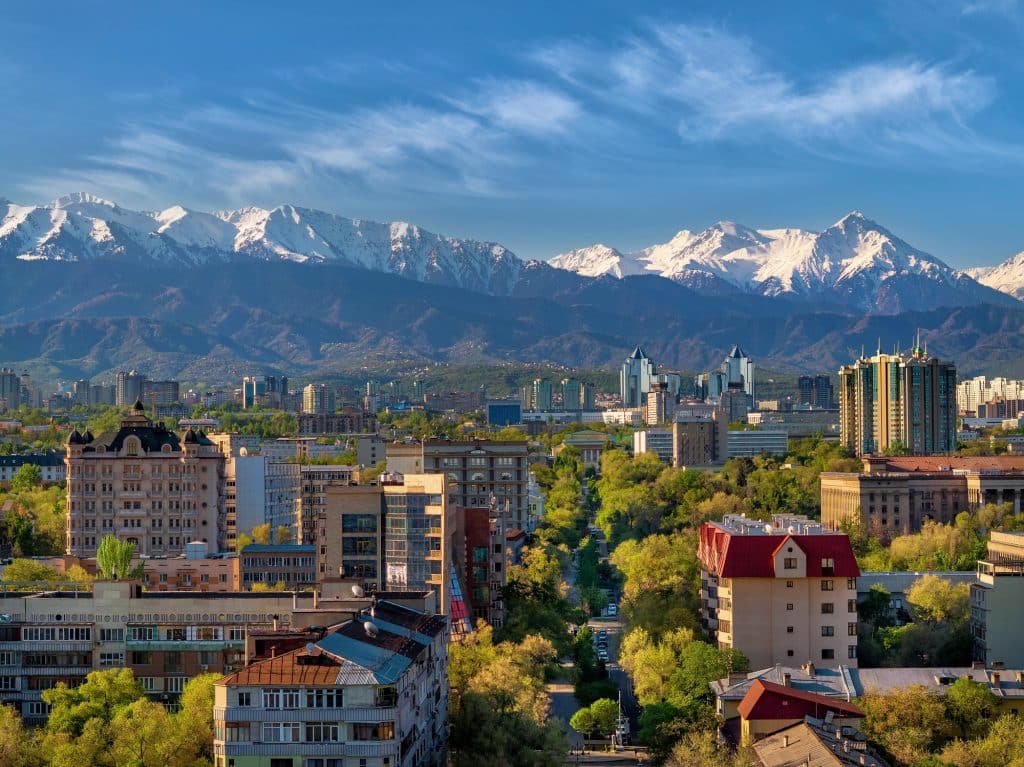
Bishkek is Kyrgyzstan’s political, economic, and educational center and the primary base for SRAS programs in Central Asia. Broad boulevards, Soviet-era architecture, busy bazaars, universities, cultural institutions, and extensive parks reflect different layers of the city’s development, while the mountains rising immediately south of the capital are a constant presence.
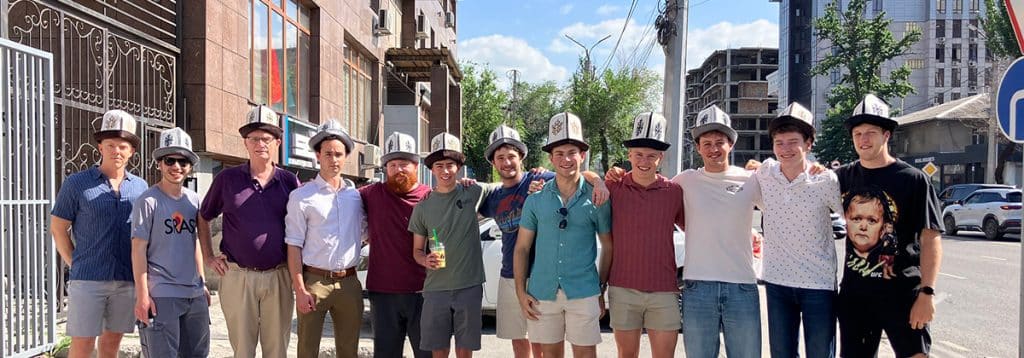
Kyrgyz and Russian are both widely used, and the city brings together people from across Kyrgyzstan and the wider region. Questions of language, migration, identity, economic development, and political change are visible in everyday life, making Bishkek particularly well suited to both intensive language study and interdisciplinary regional studies.
The city is relatively compact and easy to navigate, with cafés, markets, parks, cultural venues, and residential neighborhoods readily accessible by public transportation. Its location also puts mountain landscapes and communities beyond the capital within easy reach.
Bishkek as a Gateway to Central Asia
Bishkek’s location makes it a practical base for exploring both Kyrgyzstan and the wider region. Lake Issyk-Kul, mountain communities, and other parts of northern Kyrgyzstan are readily accessible from the capital, while nearby Almaty provides a striking contrast with Bishkek and an introduction to neighboring Kazakhstan.
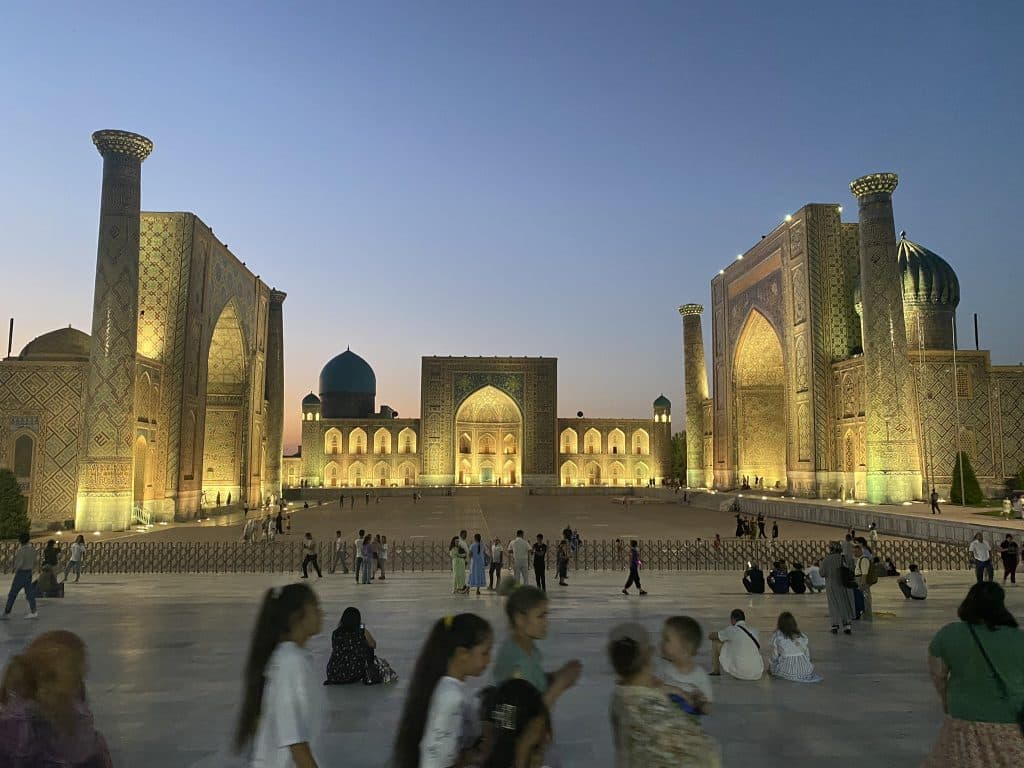
Several SRAS programs extend farther across Central Asia, incorporating academic travel in Kazakhstan and Uzbekistan. These multi-country experiences allow students to encounter different approaches to development, language, identity, and regional relationships while maintaining Bishkek as their primary academic home.

Learning in Bishkek
Bishkek supports intensive language study alongside interdisciplinary exploration of Kyrgyzstan and Central Asia, with the city’s institutions, communities, and regional connections providing context for both.
Language
Study Russian or Kyrgyz in a multilingual capital where both languages are part of everyday life, while exploring how language use reflects identity, history, and contemporary society.
International Relations & Security
Examine regional cooperation, economic development, environmental challenges, and Central Asia’s relationships with Russia, China, neighboring states, and other international partners.
Identity & Society
Explore how language, ethnicity, migration, religion, and cultural traditions shape contemporary life in Kyrgyzstan and across Central Asia.
History & Culture
Explore nomadic heritage, Russian and Soviet legacies, and post-independence nation-building through Bishkek’s museums, markets, neighborhoods, public spaces, and nearby historical sites.
I’ve studied in Irkutsk and St. Petersburg with SRAS, but [Bishkek] is, by far, my favorite because of the intense focus on speaking skills. I spend about three hours, 4 times a week speaking one-on-one. It’s such a unique opportunity! The people are also especially friendly here. My homestay is fantastic, the coordinator is a never-ending wealth of help, and the food of Central Asia is delicious.
— C. Hughes
Student Life in Bishkek
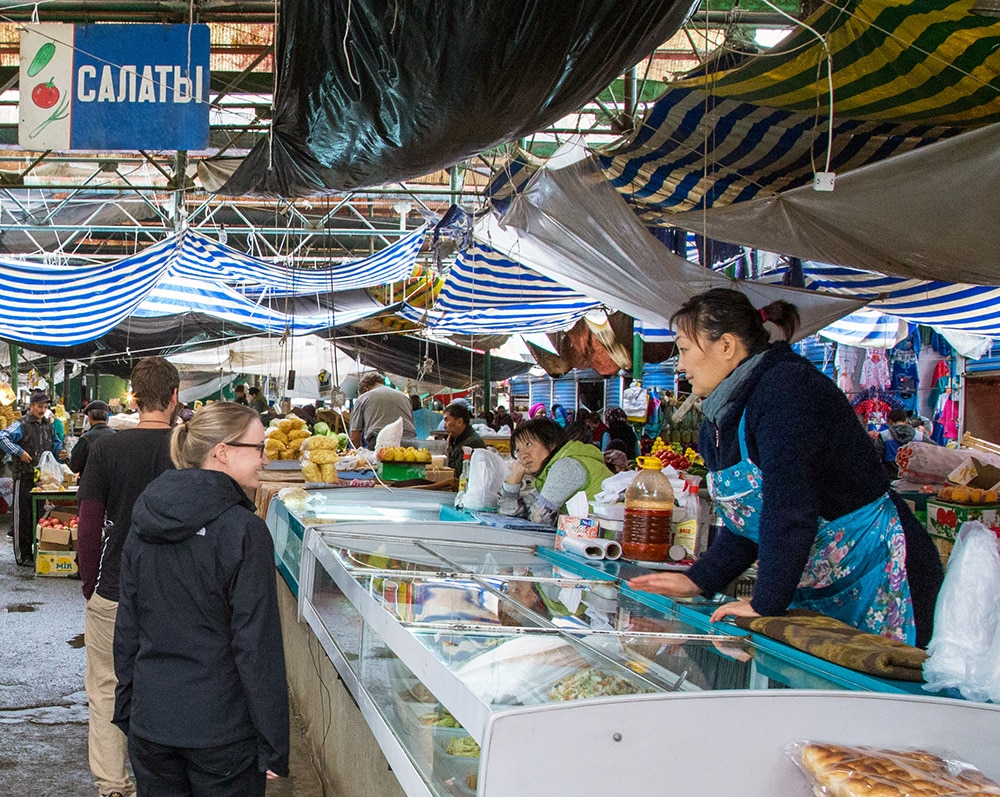
Daily life in Bishkek often centers on its tree-lined streets, parks, cafés, bazaars, and neighborhood markets. The city’s relatively low-key pace and manageable scale make it easy for students to establish routines, explore independently, and use Russian or Kyrgyz outside the classroom.
The mountains are also an important part of life in Bishkek. Hiking, national parks, cultural activities, festivals, and excursions beyond the capital give students regular opportunities to experience environments and communities very different from the city itself.

Programs in Bishkek

Bishkek: Central Asian Studies
Travel through Central Asia while studying geopolitics, strategic balancing, and energy systems, and using Russian in real-world regional contexts.

Bishkek: Russian as a Second Language
Study Russian in Bishkek, one of Central Asia’s most Russian-speaking cities, with daily use reinforcing intensive classroom instruction.
Central Asia: Connectivity, Power, and Regional Strategy
Explore connectivity, energy, and regional strategy across Central Asia through immersive, multi-country field study.